Get Basement Soundproofing
Basement soundproofing services help property owners reduce noise transfer and improve privacy through professional insulation, drywall, and sealing projects handled by local contractors.
Basement soundproofing services are a practical consideration for property owners looking to improve their living or working environments. Whether aiming to reduce noise transfer between rooms, create a more comfortable space for relaxation, or enhance privacy, many local property owners find that soundproofing can make a noticeable difference. Exploring different options and planning a project with experienced local contractors can help ensure the desired results are achieved efficiently and effectively.
For those interested in pursuing basement soundproofing, it’s helpful to compare offerings from various local service providers. Evaluating the available solutions and consulting with experienced contractors can support informed decisions tailored to specific needs. Keep reading to discover how local experts can assist in creating a quieter, more private basement space.
- Basement Soundproofing - when homeowners want to reduce noise transfer between floors or rooms.
- Home Theater Room Soundproofing - for those looking to create a private, acoustically controlled entertainment space.
- Basement Renovation Soundproofing - during basement upgrades to minimize sound disturbance to other parts of the home.
- Apartment or Condo Basement Soundproofing - to improve privacy and reduce noise complaints in multi-unit buildings.
- Garage Soundproofing - when converting a garage into a living or recreational area requiring noise control.
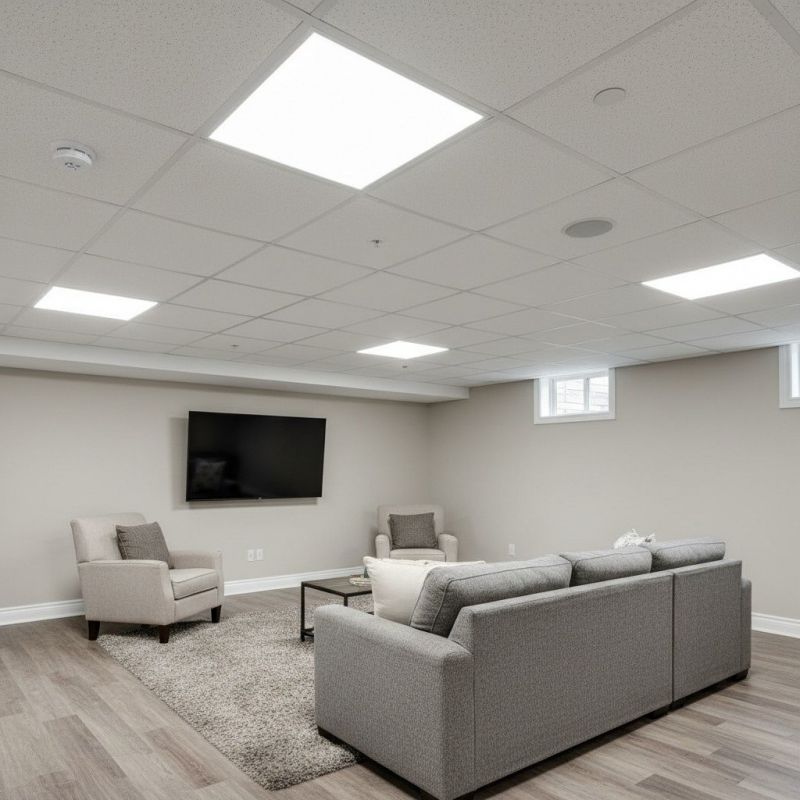
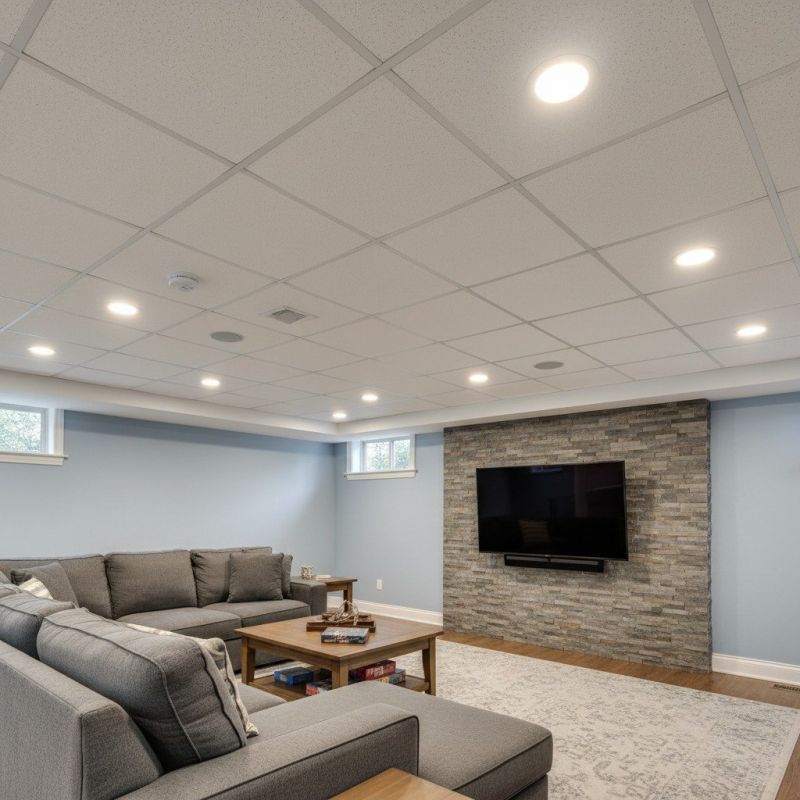
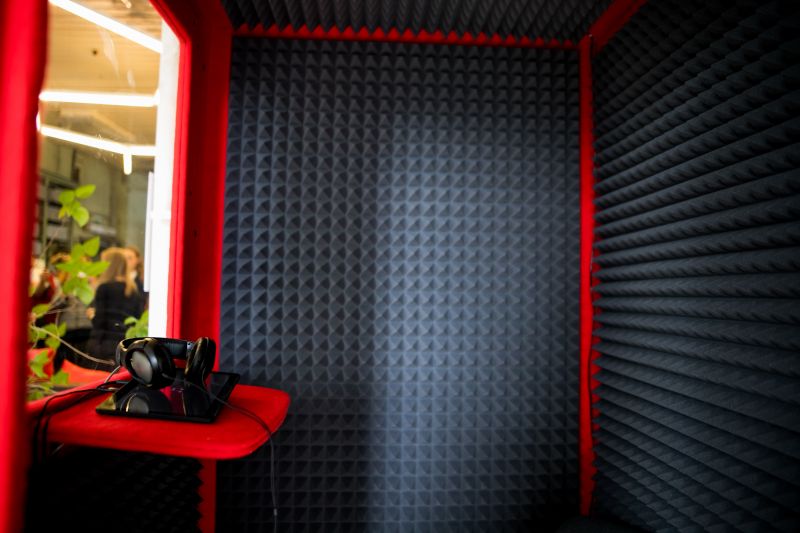
Basement soundproofing services involve installing specialized materials and systems designed to reduce noise transmission between the basement and the upper levels of a property. This process typically includes adding sound-absorbing panels, insulating walls, sealing gaps, and sometimes constructing acoustic barriers. The goal is to create a quieter, more comfortable living environment by minimizing noise from activities such as laundry, home theaters, or recreational spaces in the basement. These services help homeowners achieve a more peaceful home, especially in shared living situations or multi-family buildings.
Many common problems lead homeowners to seek basement soundproofing. Excess noise from basement activities can disturb other parts of the home, making it difficult to relax, work, or sleep. Additionally, noise can be an issue if the basement is used as a guest suite, entertainment area, or home office. In some cases, soundproofing helps prevent sound from traveling to neighbors in attached or semi-detached properties. Overall, it addresses issues related to noise disturbance, privacy concerns, and improving the overall comfort of a residence.
Basement soundproofing services are frequently used in a variety of property types, including single-family homes, duplexes, and multi-unit buildings. Homeowners with finished or unfinished basements can benefit from these services, especially if the space is being converted into a living area, media room, or workout space. Rental properties, guest suites, or basement apartments often require soundproofing to meet privacy expectations and reduce noise complaints. Essentially, any property with a basement that generates or receives significant noise can benefit from professional soundproofing solutions.
When considering basement soundproofing, homeowners should look for local contractors experienced in acoustic treatments and installation techniques. These service providers can assess the specific noise issues, recommend appropriate materials, and implement effective solutions tailored to the property’s layout and use. By working with local pros, homeowners can find practical, efficient options to improve sound quality and privacy in their basements. Contacting experienced service providers can help ensure the work is done correctly and provides lasting results for a quieter, more comfortable home environment.
The overview below groups typical Basement Soundproofing projects into broad ranges so you can see how smaller, mid-sized, and larger jobs often compare in your area.
In many markets, a large share of routine jobs stays in the lower and middle ranges, while only a smaller percentage of projects moves into the highest bands when the work is more complex or site conditions are harder than average.
Smaller Repairs - Typical costs for minor soundproofing repairs in basements generally range from $250 to $600. Many routine jobs fall within this middle range, covering tasks like sealing gaps or adding soundproof panels. Fewer projects push into the higher end of this spectrum, which may involve more extensive patching.
Partial Wall Treatments - For partial basement wall soundproofing, local contractors often charge between $1,000 and $3,000. This range accounts for projects that involve installing soundproof materials on sections of walls or ceilings. Larger, more comprehensive treatments can exceed this range but are less common.
Full Basement Soundproofing - Complete soundproofing of an entire basement typically costs between $3,500 and $8,000. Many projects in this category are mid-sized and fall within this range, while larger or more complex installations may reach higher costs.
Full Replacement or Major Renovation - Larger, more complex soundproofing projects, such as full basement renovations, can cost $10,000 or more. These are less frequent and involve extensive work to achieve optimal soundproofing across the entire space, often requiring specialized materials and labor.
Actual totals will depend on details like access to the work area, the scope of the project, and the materials selected, so use these as general starting points rather than exact figures.
Home Theater Room Soundproofing - local contractors use similar soundproofing techniques and materials to reduce noise transmission in entertainment spaces.
Music Studio Soundproofing - professionals apply comparable planning and soundproofing methods to create acoustically isolated environments for musicians.
Apartment Noise Reduction - service providers utilize similar soundproofing skills to help reduce noise between shared walls and floors in multi-unit buildings.
Recording Studio Construction - experts employ comparable soundproofing tools and planning to ensure optimal acoustic isolation for professional recordings.
Office Partition Soundproofing - local contractors apply similar techniques to reduce sound transfer in commercial office spaces and conference rooms.
Garage Soundproofing Projects - professionals use related skills to insulate and soundproof garages, minimizing noise escape and entry.
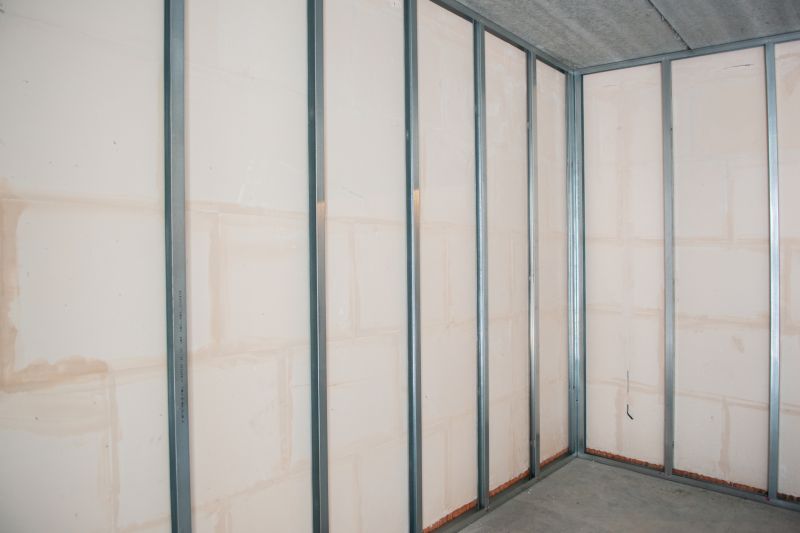
When evaluating service providers for basement soundproofing, it’s important to consider their experience with similar projects. Homeowners should inquire about how long a contractor has been working in the field and whether they have handled projects comparable in size and scope. An experienced contractor is more likely to understand the nuances of basement soundproofing, including the best materials and techniques to achieve effective results. This background can provide confidence that the chosen service provider has the practical knowledge needed to address the unique challenges of soundproofing a basement space.
Clear written expectations are essential for a successful project. Homeowners should seek service providers who can provide detailed descriptions of the work to be performed, including the specific methods and materials that will be used. Having a well-defined scope of work helps prevent misunderstandings and ensures that both parties are aligned on the project’s goals. Reputable local contractors will typically be able to communicate their approach clearly, making it easier for homeowners to understand what to expect and to compare different options objectively.
Good communication and reputable references are vital indicators of a reliable service provider. Homeowners are encouraged to ask for references from past clients who had similar soundproofing work done. Speaking with previous customers can reveal insights into the contractor’s professionalism, reliability, and quality of work. Additionally, responsive and transparent communication throughout the inquiry process can help ensure that questions are answered promptly and that the project proceeds smoothly. Since the site introduces homeowners to local options rather than performing the work directly, taking the time to research and compare these aspects can lead to a more satisfactory outcome.
Property owners use Basement Soundproofing services for practical projects around their homes and businesses. This guide focuses on everyday jobs and straightforward project options.
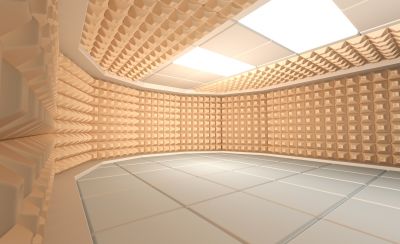
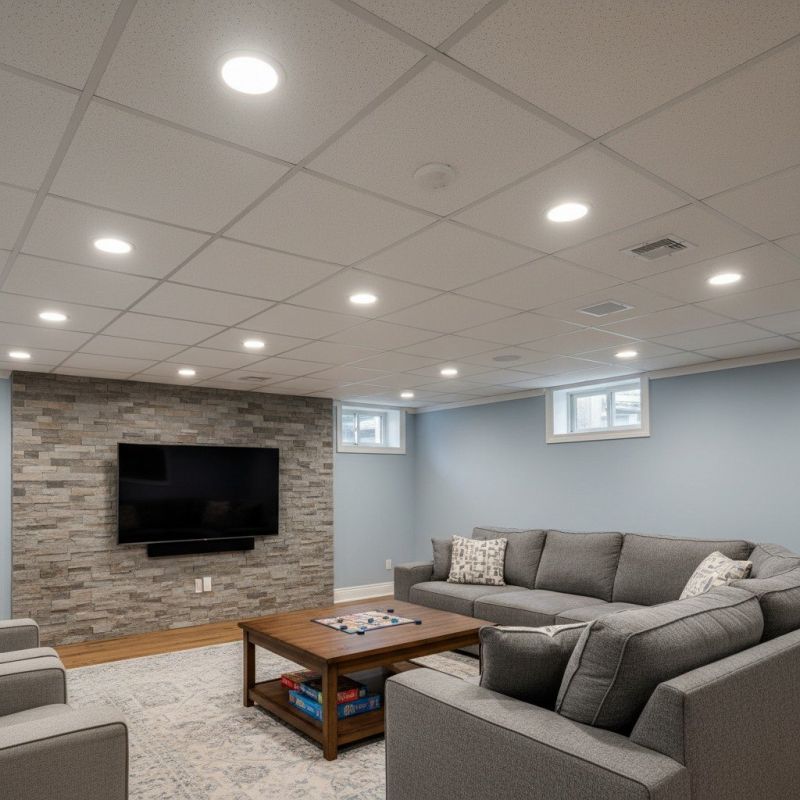
Basement soundproofing services are often sought by property owners dealing with noise issues between floors or neighboring units. Whether it's a homeowner wanting to reduce the sound of footsteps and household activities or a landlord aiming to improve tenant comfort, local contractors can provide solutions that help create a quieter living or working space. These projects are common in multi-family buildings, basements converted into recreational rooms, or areas where noise disruptions have become a concern.
Many property owners turn to local service providers to address sound transmission problems that affect daily life. Installing soundproof barriers, insulating walls, or adding specialized materials can make a noticeable difference in noise levels. These simple improvements can enhance privacy, reduce disturbances, and contribute to a more peaceful environment within the property. Local contractors are equipped to handle a variety of basement soundproofing needs, helping property owners achieve a more comfortable space.
What is basement soundproofing? Basement soundproofing involves installing materials and systems to reduce noise transmission between the basement and other parts of the home, creating a quieter space.
How do local contractors typically soundproof a basement? They often use techniques such as adding insulation, installing soundproof drywall, sealing gaps, and using soundproof mats or panels to minimize noise leakage.
Can soundproofing improve privacy in a basement? Yes, proper soundproofing can enhance privacy by significantly reducing the amount of sound that escapes or enters the basement area.
What types of soundproofing materials are used in basement projects? Common materials include acoustic insulation, resilient channels, soundproof drywall, and specialized soundproof mats or barriers.
How can I find local service providers for basement soundproofing? This website helps connect homeowners with local contractors experienced in basement soundproofing services in their area.
Reduce noise transfer between rooms - Property owners can improve privacy and comfort by hiring local contractors to install soundproofing in shared walls or floors.
Create a quiet home office or studio - Soundproofing services can help make spaces more suitable for work or creative activities by minimizing external and internal noise.
Enhance entertainment areas - Local service providers can assist in soundproofing basements or media rooms to improve audio quality and reduce disturbance to other parts of the home.
Prevent noise from appliances or HVAC systems - Soundproofing solutions can be used to dampen vibrations and noise from machinery, making living spaces more peaceful.
If you are thinking about Basement Soundproofing for a property, this guide is meant to help you understand the work, the typical project types, and how different options might fit your plans.
When you are ready, you can use the quote form on this page to share a few details about your project. From there, local pros can review the basics and respond with options that match what you have in mind.